
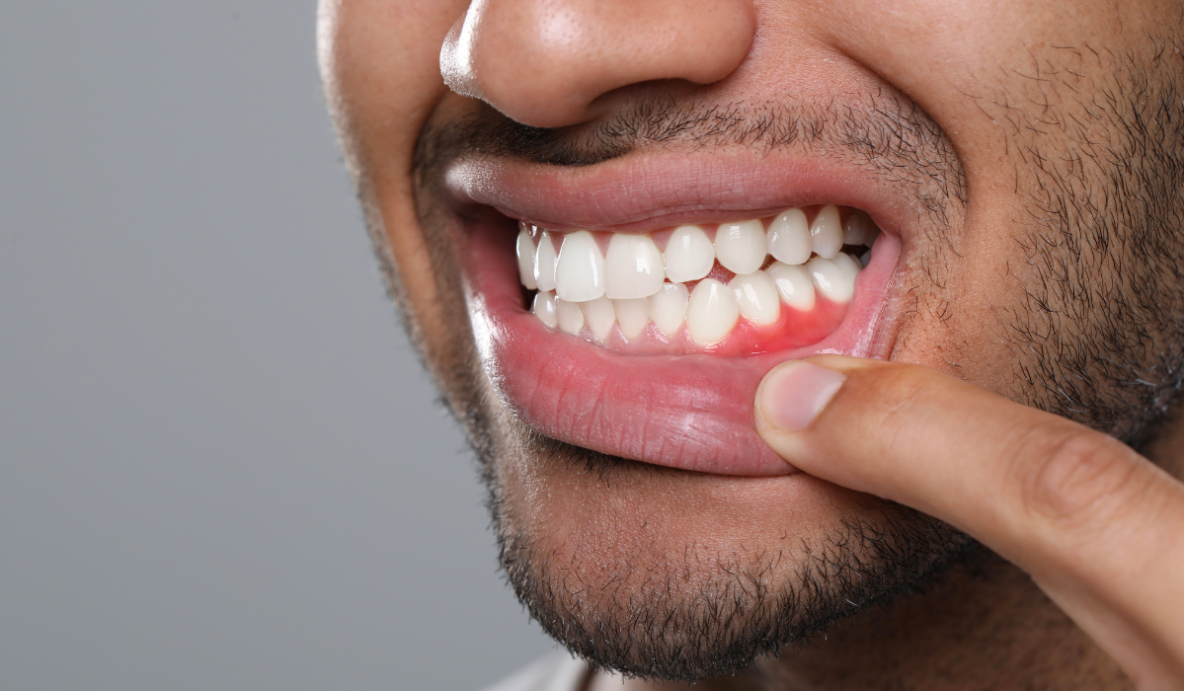
Gum disease affects Canadians of all ages, from teenagers to seniors. As a family dentist, I see how this common condition impacts different generations in unique ways. The good news? Gum disease is preventable and treatable at every stage of life when caught early and managed properly.
Let me explain how we diagnose and treat periodontal issues across age groups, what treatments work best, and how you can maintain healthy gums for life.
Understanding Gum Disease Across Generations
Gum disease, also called periodontal disease, is a bacterial infection affecting the tissues supporting your teeth. It begins as gingivitis, a mild inflammation of the gums, and can progress to periodontitis, where infection damages bone and connective tissue.
Different life stages bring different risk factors and challenges. Children face gum inflammation from inconsistent brushing. Teenagers deal with hormonal changes that increase gum sensitivity. Adults juggle stress and busy schedules that compromise oral care. Seniors manage medication side effects and health conditions affecting gum health.
A family dentist understands these age-specific challenges and tailors treatment accordingly. This comprehensive approach ensures every family member receives appropriate care for their life stage.
How Family Dentist Professionals Diagnose Gum Disease
Early detection is crucial for successful treatment. Your family dentist uses several methods to identify gum disease and determine its severity.
Visual Examination
Every dental checkup includes careful gum examination. We look for key warning signs including red, swollen, or bleeding gums. Healthy gums appear pale pink and firm. Dark red or purple gums indicate inflammation.
We also check for gum recession, where tissue pulls away from teeth, exposing root surfaces. Recession can signal bone loss beneath the gums. Your family dentist notes any changes from previous visits to track progression.
Periodontal Probing
This diagnostic tool measures the depth of the space between your gums and teeth. We gently insert a small measuring instrument called a probe into the gum pocket around each tooth.
Healthy gums have pocket depths of 1 to 3 millimetres. Pockets measuring 4 millimetres or deeper indicate gum disease. Deeper pockets harbour more bacteria and are harder to clean, allowing infection to progress.
At Trafalgar Village Dental in Oakville, we measure six points around each tooth for comprehensive assessment. This detailed mapping shows exactly where disease exists and tracks treatment effectiveness over time.
Dental X-Rays
X-rays reveal bone loss invisible during visual examination. Healthy bone surrounds teeth up to a certain level. Gum disease causes bone to recede, creating distinctive patterns on X-rays.
Your family dentist compares current X-rays to previous images to determine if bone loss is occurring and how quickly it’s progressing. This information guides treatment decisions and helps predict future problems.
Bleeding on Probing
Healthy gums shouldn’t bleed during gentle probing or normal brushing. Bleeding indicates inflammation and active disease. Your family dentist notes which areas bleed to identify infection sites requiring focused treatment.
Age-Specific Diagnostic Considerations
Children and teenagers might have gum inflammation without true periodontitis. Their gums often respond quickly to improved hygiene. However, aggressive forms of gum disease can affect young people, requiring careful evaluation.
Adults typically show more advanced disease patterns. Bone loss accumulates over years of untreated gingivitis. Your family dentist assesses how much damage has occurred and what can be restored.
Seniors often have complex situations involving multiple missing teeth, dental work, and systemic health conditions. Diagnosis considers how these factors interact with gum disease and overall treatment planning.
Treating Gum Disease in Children and Teens
Young patients rarely have advanced gum disease, but early intervention prevents future problems.
Gingivitis Treatment for Young Patients
Most children and teenagers presenting with gum issues have gingivitis, the mildest form of gum disease. Treatment focuses on education and improved home care rather than aggressive intervention.
Professional cleaning removes plaque and tartar buildup that brushing missed. We then teach proper brushing and flossing techniques using models and demonstrations. Children often don’t realize they’re missing entire areas when cleaning their teeth.
Your family dentist might recommend more frequent cleanings, perhaps every three to four months, until inflammation resolves. This extra monitoring ensures problems don’t progress while good habits develop.
Addressing Hormonal Changes
Puberty brings hormonal fluctuations that increase gum sensitivity to plaque. Teenagers may notice puffy, tender gums that bleed easily even with minimal buildup. This “puberty gingivitis” is temporary but requires attention.
Treatment includes professional cleanings and reinforced home care. We explain that hormones amplify the gum response to bacteria, making meticulous oral hygiene even more important during this period. Most cases resolve as hormone levels stabilize in late adolescence.
Orthodontic Considerations
Braces make cleaning difficult, increasing gum disease risk. Food and plaque accumulate around brackets and wires easily. Your family dentist works closely with orthodontists to maintain gum health during treatment.
We recommend special cleaning tools like interdental brushes and water flossers for orthodontic patients. More frequent professional cleanings, typically every three months, help manage inflammation while braces are in place.
Adult Gum Disease Management
Adults represent the largest group affected by moderate to advanced gum disease. Treatment becomes more involved as disease progresses.
Professional Scaling and Root Planing
Scaling and root planing, often called deep cleaning, is the gold standard treatment for gum disease. This procedure removes bacteria, plaque, and tartar from below the gum line where regular cleaning can’t reach.
Scaling uses special instruments to clean tooth surfaces down to the bottom of gum pockets. We remove all deposits from the tooth crown and root surfaces. This eliminates the bacterial colonies causing inflammation and bone loss.
Root planing smooths rough spots on root surfaces where bacteria cling easily. Smooth roots discourage bacterial recolonization and help gums reattach to teeth. Together, these techniques create an environment where gums can heal.
At Trafalgar Village Dental, we divide scaling and root planing into sections, typically treating one or two quadrants per appointment. Local anesthesia keeps you comfortable during the procedure. Most patients describe feeling pressure but no pain.
The Scaling and Root Planing Process
Your first appointment begins with numbing the treatment area. Once comfortable, your family dentist or hygienist uses ultrasonic scalers to break up large tartar deposits. These devices vibrate at high frequency, shattering hardened buildup.
Hand instruments called curettes then carefully clean each tooth surface. These tools have specially shaped tips that reach deep into pockets and around root contours. The process requires patience and precision to thoroughly clean every surface.
Root planing follows, smoothing the tooth roots. We check each surface carefully to ensure complete cleaning and smoothness. The entire process takes 45 minutes to an hour per quadrant depending on severity.
Immediate Post-Treatment Care
Gums may feel tender for several days following scaling and root planing. Over-the-counter pain relievers manage any discomfort. Rinsing with warm salt water soothes tissues and promotes healing.
You can brush and floss normally but may need to be gentler initially. Some bleeding during brushing is normal for the first few days as gums adjust. Avoid extremely hot, spicy, or crunchy foods if your gums feel sensitive.
Most patients notice improvement within a week. Gums appear less red and swollen. Bleeding during brushing decreases. Bad breath often improves as bacterial levels drop.
Adjunctive Treatments
Sometimes scaling and root planing alone isn’t enough. Your family dentist might recommend additional therapies to improve outcomes.
Antibiotic therapy helps manage resistant infections. We place antibiotic gel directly into deep pockets or prescribe oral antibiotics for widespread infection. These medications reduce bacterial loads, allowing gums to heal more effectively.
Antimicrobial mouth rinses containing chlorhexidine reduce bacteria throughout the mouth. Used twice daily for several weeks following deep cleaning, these rinses support healing and prevent reinfection.
Laser therapy is an emerging treatment showing promise for gum disease. Lasers remove infected tissue and bacteria from pockets while promoting healing. Some patients prefer this option to traditional scaling, though research on long-term effectiveness continues.
Senior Gum Disease Considerations
Older adults face unique challenges managing periodontal health. Age-related changes and health conditions complicate both disease development and treatment.
Managing Complex Cases
Seniors often have extensive dental work including crowns, bridges, and implants. Gum disease around these restorations requires special attention. Your family dentist must clean thoroughly without damaging existing dental work.
Multiple missing teeth change how remaining teeth bear chewing forces. This stress can accelerate bone loss around teeth already weakened by gum disease. Treatment plans address both infection and mechanical factors affecting tooth stability.
Medication Effects
Many medications commonly taken by seniors cause dry mouth. Saliva naturally rinses bacteria and neutralizes acids. Without adequate saliva flow, bacterial populations explode and gum disease progresses rapidly.
Your family dentist helps manage dry mouth through product recommendations and lifestyle modifications. Sugar-free gum, frequent water sipping, and special moisturizing products reduce symptoms. Sometimes adjusting medication timing or dosage helps, coordinated with your physician.
Blood thinners taken for heart conditions or stroke prevention increase bleeding during dental procedures. While this doesn’t prevent treatment, your family dentist takes extra precautions and may coordinate with your doctor regarding medication management around appointments.
Mobility and Dexterity Issues
Arthritis and other conditions affecting hand function make thorough brushing and flossing difficult. Seniors struggling with manual dexterity benefit from electric toothbrushes and specialized flossing aids.
Your family dentist at Trafalgar Village Dental can demonstrate adaptive techniques and recommend tools that compensate for physical limitations. Sometimes family members need instruction on helping elderly relatives with daily oral care.
Long-Term Maintenance Protocols
Successfully treating gum disease is just the beginning. Preventing recurrence requires ongoing commitment and professional support.
Periodontal Maintenance Cleanings
After completing scaling and root planing, patients transition to periodontal maintenance. These specialized cleanings differ from routine prophylaxis for healthy patients.
Periodontal maintenance occurs more frequently, typically every three to four months rather than twice yearly. Your family dentist examines and re-measures pocket depths at each visit, monitoring for disease recurrence.
Cleanings focus on areas previously affected by disease. We carefully remove any new buildup before it triggers inflammation. This frequent intervention prevents the bacterial accumulation that causes gum disease to return.
The hygienist reviews your home care and addresses any areas showing early inflammation. Catching problems at this stage allows for minor adjustments rather than repeat deep cleaning.
Home Care Fundamentals
Daily oral hygiene is your most important defence against gum disease recurrence. Brush twice daily for two minutes using a soft-bristled toothbrush. Position bristles at a 45-degree angle to the gum line where plaque accumulates.
Floss once daily, sliding it gently beneath the gum line around each tooth. This removes plaque from between teeth where brushing can’t reach. If traditional floss feels difficult, try floss picks, interdental brushes, or water flossers.
Antimicrobial mouth rinses provide additional bacterial control. Use them as recommended by your family dentist, typically once or twice daily. However, rinses supplement rather than replace brushing and flossing.
Lifestyle Factors
Smoking dramatically increases gum disease risk and treatment failure rates. Smokers experience disease progression two to three times faster than non-smokers. Healing after treatment is slower and less predictable.
Quitting smoking is the single most important step smokers can take for gum health. Your family dentist can provide resources and support for smoking cessation. Even reducing cigarette consumption helps, though complete cessation provides the greatest benefit.
Stress affects immune function and can trigger disease flares. While you can’t eliminate stress, managing it through exercise, adequate sleep, and relaxation techniques supports gum health. Some patients notice gum inflammation increases during particularly stressful periods.
Nutrition plays a role too. Vitamin C deficiency impairs healing and increases gum disease risk. A balanced diet with plenty of fruits and vegetables provides nutrients supporting healthy gums. Stay hydrated to maintain saliva flow and natural oral cleansing.
Managing Systemic Health Conditions
Diabetes and gum disease have a two-way relationship. Gum disease makes blood sugar control more difficult, while poor blood sugar control worsens gum disease. Diabetic patients require especially vigilant oral care and close monitoring.
Work with both your family dentist and physician to optimize management of conditions affecting gum health. Well-controlled diabetes, for instance, doesn’t significantly increase gum disease risk compared to non-diabetics.
Heart disease, rheumatoid arthritis, and other inflammatory conditions show connections to gum health. While research continues exploring these relationships, maintaining healthy gums benefits overall health beyond just your mouth.
Signs You Need to See Your Family Dentist
Between regular maintenance appointments, watch for signs that gum disease might be returning or progressing.
Bleeding gums during brushing or flossing always warrants attention. While occasional minor bleeding happens, persistent or worsening bleeding indicates inflammation. Swollen, red, or tender gums signal active disease requiring professional evaluation.
Bad breath that doesn’t improve with brushing and mouthwash can indicate bacterial buildup beneath the gums. Persistent bad taste in your mouth has similar implications. These symptoms suggest bacterial populations are increasing despite home care efforts.
Teeth that feel loose or shift position indicate advanced disease affecting the bone and ligaments supporting teeth. This requires immediate attention to prevent tooth loss. Pain when chewing or temperature sensitivity can also signal problems around tooth roots.
Don’t wait for your next scheduled appointment if you notice these warning signs. Early intervention prevents minor problems from becoming major issues requiring extensive treatment.
The Family Approach Advantage
Seeing a family dentist for gum disease management offers distinct benefits. Your entire family’s oral health information stays in one place, allowing your dentist to spot hereditary patterns and provide preventive guidance for younger family members based on older members’ experiences.
Children learn from watching parents and grandparents manage their oral health. When the whole family prioritizes gum health, children naturally adopt these values. Regular family appointments normalize dental care and reduce anxiety.
Scheduling convenience matters too. Booking multiple family members on the same day saves time and reduces the number of trips required. This practical benefit helps families maintain consistent care despite busy schedules.
Your Partner in Gum Health
Gum disease doesn’t have to be a lifelong struggle. With proper treatment and maintenance, most patients achieve healthy, stable gums that last a lifetime. The key is addressing problems promptly and maintaining consistent professional care alongside excellent home hygiene.
At Trafalgar Village Dental, located at 117 Cross Avenue in Oakville, we provide comprehensive gum disease management for patients of all ages. Whether you need treatment for active disease or maintenance to prevent recurrence, our team has the expertise to help.
Don’t ignore bleeding gums or other warning signs. Early treatment is more comfortable, less expensive, and more successful than waiting until disease becomes severe. Contact us at (905) 339-0404 or email info@trafalgarvillagedental.com to schedule an evaluation.
Your family dentist is here to help you achieve and maintain optimal gum health at every stage of life. Let’s work together to protect your smile and overall health for years to come.